

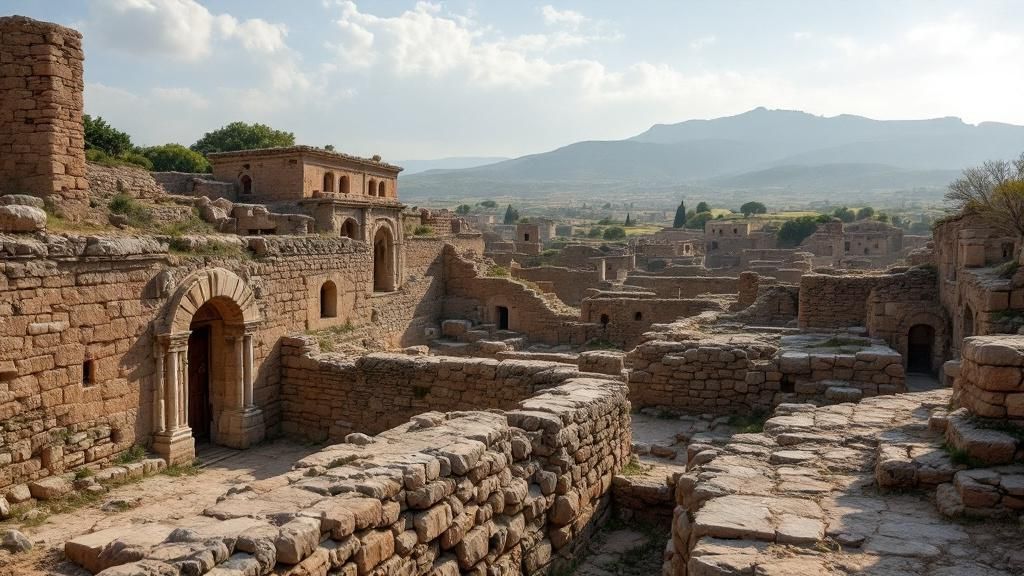
A striking archaeological discovery has illuminated how common Romans lived in ancient times. Archaeological work at a freshly unearthed settlement have brought to light an impressive array of objects and buildings that challenge conventional assumptions about life routines in the classical period. From household organisation and culinary practices to class structures and leisure activities, the discoveries paint an unexpectedly vivid portrait of Roman society. This article explores the key findings and what they reveal about the routines, habits, and relationships of those residing in this captivating epoch.
Excavation Discoveries at the Roman Site
The dig team unearthed an substantial range of artefacts in the early stages of excavation, including pottery fragments, coins, and tools that offer crucial understanding of the settlement’s historical sequence and how people lived. Remarkably well-preserved domestic artefacts were found in dwelling spaces, providing concrete proof of how households arranged their homes and conducted their domestic affairs. These discoveries have enabled researchers to reconstruct the material culture of ordinary Romans with exceptional accuracy and comprehensiveness.
Amongst the most compelling discoveries are the remains of a communal bathhouse and several small shops, suggesting the settlement operated as a thriving commercial hub rather than an isolated farming community. The architectural layout reveals deliberate town organisation, with streets arranged in a systematic grid arrangement characteristic of Roman town design. Notably, the presence of multiple hearths and cooking vessels indicates that food preparation and consumption played a central role in the community’s social structure and daily interactions.
Perhaps importantly, the excavation has uncovered evidence of sophisticated water management systems, including cisterns and aqueducts that supplied fresh water to residents. This network demonstrates the Romans’ remarkable engineering prowess and focus on public health and sanitation. The discovery of entertainment spaces, such as gaming pieces and recreational spaces, further illustrates that everyday existence encompassed not merely survival and labour, but also entertainment and social gathering.
Exploring Family Life and Social Structure
The uncovered settlement delivers unprecedented insights into the way Romans structured their households and communities. Archaeological evidence demonstrates a intricate social structure reflected in residential arrangements, with wealthier families occupying grand, richly adorned properties whilst less affluent residents lived in humble residences. Artefacts found in these locations—including ceramics, personal ornaments, and household implements—illuminate domestic practices and social engagement. The layout of structures suggests a well-planned community with allocated spaces for commerce, worship, and residence, exemplifying advanced town design strategies.
Dwelling and Structural Design
The dwelling buildings discovered at the site showcase remarkable architectural diversity and building methods. Wealthy dwellings contained several rooms positioned around central courtyards, with evidence of hypocaust heating systems and decorative mosaics decorating walls and floors. These homes contained distinct kitchens, bathrooms, and storage spaces, indicating sophisticated domestic arrangements. In contrast, working-class residences contained modest one or two-room structures with shared communal amenities. The standard of building materials—extending from marble and stone to timber and brick—directly correlated with residents’ social and economic standing.
Excavations brought to light fascinating details about daily domestic activities through the preservation of domestic objects and building materials. Kitchen fireplaces, millstones, and ceramic vessels suggest food preparation was a key domestic task. Bedrooms held evidence of beds and household furniture, whilst storage areas held storage jars holding stored provisions and beverages. Wall paintings and decorative elements reveal aesthetic sensibilities amongst families in Roman society. The discovery of toys for children and learning resources indicates households prioritised raising children and education, demonstrating broader Roman values concerning family life and learning.
- Hypocaust systems supplied underfloor heating throughout affluent dwellings.
- Mosaic floors displayed detailed compositions representing scenes from mythology and daily life.
- Communal ovens supplied numerous families within lower-income areas.
- Atrium courtyards acted as focal points for assembly for families.
- Storage cellars kept stored goods including cereals, wine, and preserved produce.
The structural analysis reveals how Roman urban planning reflected and reinforced social distinctions. Public spaces including forums and temples held key central positions, whilst domestic quarters extended outward in systematic arrangements. The presence of protective walls and guard towers suggests security concerns, whilst carefully maintained routes connected different districts. Water management systems, such as aqueducts and drainage channels, indicate engineering expertise and collective investment in facilities. These findings collectively reveal a intricate, ranked urban centre where built environment communicated social status and facilitated daily interactions.
Objects and Cultural Significance
The archaeological investigation has yielded an substantial range of finds that provide crucial understanding into Roman material culture and daily practices. Pottery fragments, coins, and household items have been systematically recorded and studied by experts. These objects demonstrate trading routes, economic structures, and consumer preferences of the local population. The preservation condition has enabled scholars to establish manufacturing techniques and regional origins, demonstrating the settlement’s connections to broader Roman trade and cultural interaction across the Roman domains.
Particularly notable are the ornamental items and possessions found throughout the site, including jewellery, gaming pieces, and religious figurines. These artefacts reveal the artistic preferences and spiritual beliefs of the site’s population. The presence of high-value items together with everyday items suggests a socially stratified society with varying levels of prosperity and standing. Such finds question preconceptions regarding homogeneity across Roman provincial life, demonstrating rather a complex tapestry of individual preferences and artistic manifestations that persisted within the broader imperial framework.
The historical importance of these discoveries goes beyond academic interest, giving present-day society a direct link to our ancestors. By analysing these tangible remains, archaeologists reconstruct lost stories of common folk whose lives shaped Roman civilisation. The settlement functions as a microcosm of imperial society, showing how community groups preserved distinct identities whilst engaging with the broader Roman sphere. These uncovered artefacts show us that history is made up of many individual accounts awaiting discovery and understood.
